
Most visitors to St. Thomas see the same handful of places: Magens Bay, the shops of Charlotte Amalie, and the Skyride to Paradise Point. They're popular for good reason, but they're only part of the story.
Beyond the cruise-ship routes, St. Thomas hides quiet beaches at the end of dirt roads, colonial forts on uninhabited islands, mangrove lagoons full of stingrays, and a Sunday market where Rastafarian farmers sell fresh coconuts and homegrown food. These are the places locals go on their days off, and with a car and a little sense of adventure, they're easy for you to find too.
Here are 10 hidden gems in St. Thomas that most visitors never see.
Quick Answer: The best hidden gems in St. Thomas include Mermaid's Chair on the West End, secluded Neltjeberg Bay on the Northside, historic Hassel Island in Charlotte Amalie Harbor, Honeymoon Beach on Water Island, kayaking the Mangrove Lagoon to Cas Cay, and the Bordeaux Farmers' Market on the West End.
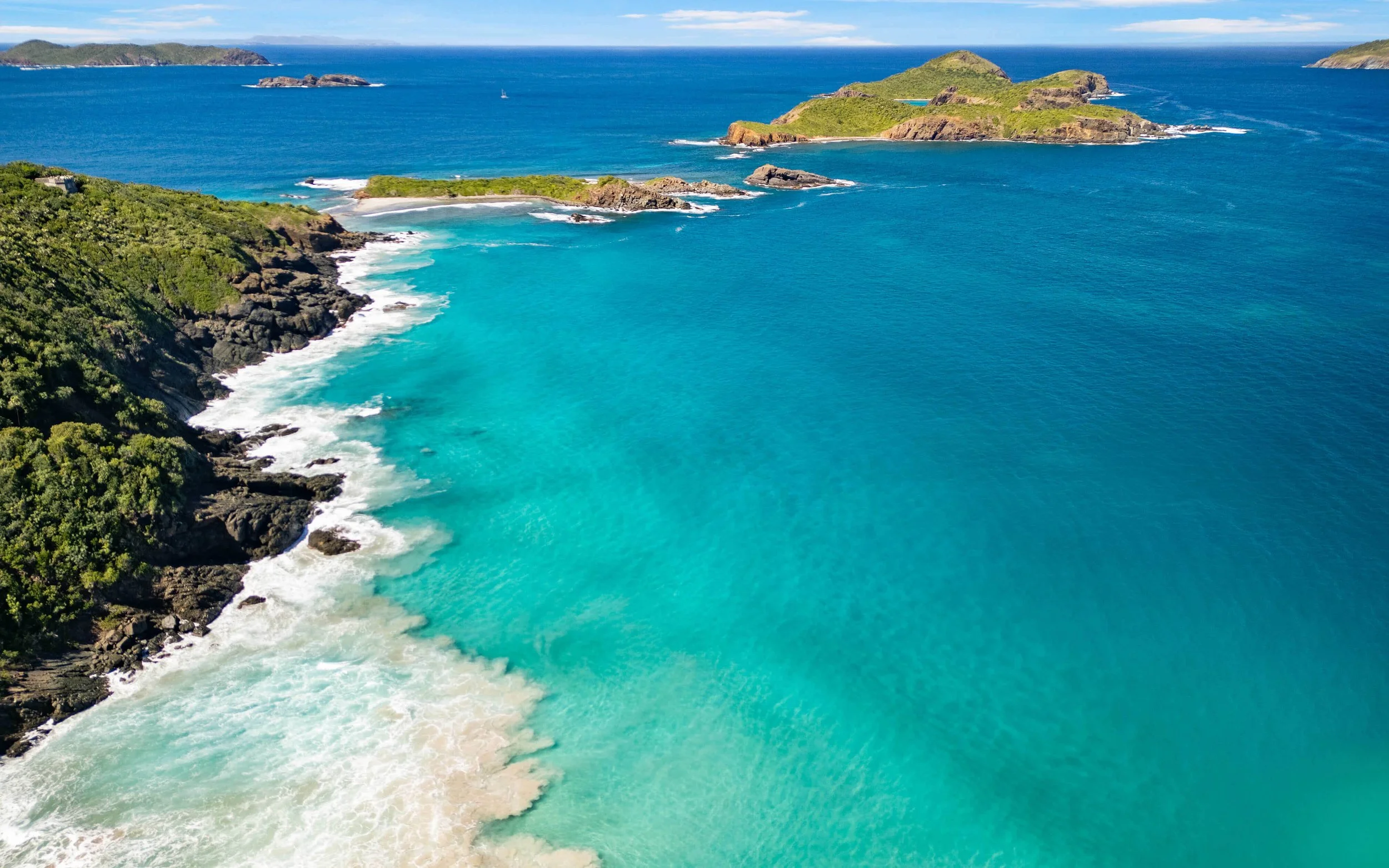
Mermaid’s Chair, St. Thomas
1. Mermaid's Chair: Where Two Seas Meet
On the wild western tip of St. Thomas, a narrow strip of sand connects the island to a small rocky outcrop. On one side is the Caribbean Sea. On the other is the Atlantic Ocean. This rare double-sided beach is called Mermaid's Chair, and it's one of the most beautiful and least-visited spots on the island.
How to get there: The trail starts at The Preserve at Botany Bay, a private community on the West End. The hike is about 1.3 miles each way, descending past scenic overlooks and quiet rocky coves. Follow the posted rules at the entrance gate, since access guidelines can change.
Tips: Go at low tide, when the sandbar is widest. Wear real hiking shoes, bring plenty of water, and don't swim on the Atlantic side, where currents can be strong. The Caribbean side is usually calmer.
2. Neltjeberg Bay: The Northside’s Secret Beach
About 10 minutes west of Hull Bay, Neltjeberg Bay (locals call it "Nelty") feels like a deserted island. A half-moon of soft sand is lined with coconut palms, the small island of Inner Brass sits just offshore, and on many days you'll share the beach with only a handful of people. There's good snorkeling on the reef off the left side of the beach.
On the way down, look for the ruins of the Neltjeberg sugar plantation, which dates to the late 1700s. Stone walls, an animal mill, and factory remains are slowly being reclaimed by the forest.
How to get there: The road is unpaved and rough, so a 4x4 or all-wheel-drive vehicle is strongly recommended. Without one, park at nearby Dorothea Beach and hike about 20 minutes on the trail from the west end of the beach.
Tips: There are no facilities, so bring water, food, and shade. Visit on calm days, since waves can be strong on this exposed stretch of the Northside in winter. For more on snorkeling here, see our Best Snorkeling in St. Thomas guide.
3. Hassel Island: A National Park in the Harbor
Right in the middle of Charlotte Amalie Harbor sits one of the most overlooked places in the Virgin Islands. More than 135 acres of Hassel Island are part of the Virgin Islands National Park, and the island is covered in hiking trails, colonial ruins, and quiet coves, yet most visitors sail right past it.
Highlights include Fort Willoughby, a British fort built during the Napoleonic Wars that's one of the most intact in the Caribbean, and the Creque Marine Railway, a 19th-century shipyard where vessels were hauled out of the water for repairs. The National Park Service is restoring the railway today.
How to get there: Kayak from Frenchtown. The paddle across is short and usually calm. You can rent a kayak and go on your own or join a guided kayak, hike, and snorkel tour.
Tips: There are no restrooms, shops, or water on the island, so bring everything you need. Wear sturdy shoes, because the trail up to the fort is short but steep and rocky. Go early for calmer water and cooler temperatures.
4. Water Island and Honeymoon Beach
A short ferry ride from Crown Bay Marina takes you to Water Island, often called the "fourth Virgin Island." It's home to only a couple hundred residents, who get around by golf cart on quiet, winding roads. There are no big resorts and very few businesses, just an easygoing pace and beautiful views back to St. Thomas.
Honeymoon Beach is the island's main draw, with calm, clear water, soft sand, and good snorkeling along its rocky edges. Rent a golf cart and explore the rest of the island too, including a World War II–era fort with sweeping views.
How to get there: Take the ferry from Crown Bay Marina, then walk or rent a golf cart to Honeymoon Beach.
Tips: Check the ferry schedule for the last return trip before you settle in for the day.
5. Kayak the Mangrove Lagoon to Cas Cay
On the southeast side of St. Thomas, the Mangrove Lagoon is part of a protected marine reserve and one of the most important nurseries for sea life on the island. Paddling through the red mangroves, you'll see juvenile fish, upside-down jellyfish, seabirds, and sometimes stingrays and turtles gliding beneath your kayak.
Many guided tours cross the lagoon to Cas Cay, a small uninhabited island with a short hiking trail, rocky blowholes, and hundreds of hermit crabs. The tour usually ends with snorkeling in a quiet mangrove nursery.
How to get there: Book a guided kayak, hike, and snorkel tour. No kayaking experience is needed, since tours use stable two-person kayaks.
Tips: Morning tours usually have the calmest water. Wear water shoes and bring a waterproof bag for your phone.
6. Bordeaux Farmers' Market: A Taste of Local Culture
High in the hills of the West End, the Bordeaux Farmers' Market is one of the most authentic cultural experiences on St. Thomas. The market is organized by local farmers, many from the island's Rastafarian farming community, and it's a relaxed, family-friendly gathering with music, mountain views, and plenty of food.
You'll find fresh coconuts, tropical fruit like passion fruit and mango, local herbs and spices, homemade juices, jams, and hot sauces, handmade crafts, and ital food, a plant-based style of cooking rooted in Rastafarian culture.
When to go: The market is held on the second and last Sundays of each month, from about 10 a.m. to 5 p.m. Once a year, on the weekend before Martin Luther King Jr. Day, the market hosts its large Agriculture and Culture Vegan Food Fair, with live music and performances that run into the night.
How to get there: Take Route 30 west past the University of the Virgin Islands, continue as it becomes Fortuna Road, and follow it up into the hills of Bordeaux. The winding drive has some of the best views on the island.
Tips: Bring cash and a reusable bag, and come hungry.
7. Market Square: The Heart of Downtown
Most cruise visitors walk right past Market Square in Charlotte Amalie on their way to the jewelry stores. Stop and take a look. For generations, this has been where locals come to buy and sell fresh produce under a large cast-iron roof built in the early 20th century.
Saturday is the busiest day, when islanders stock up on groceries and treats like fresh coconut water, local fruit, and homemade snacks. It's a small, everyday slice of island life in the middle of the tourist district.
Tips: Go on a Saturday morning for the most vendors. Greet vendors with a friendly "Good morning" before asking about prices. It's an important local courtesy. Learn more in our St. Thomas Etiquette guide.
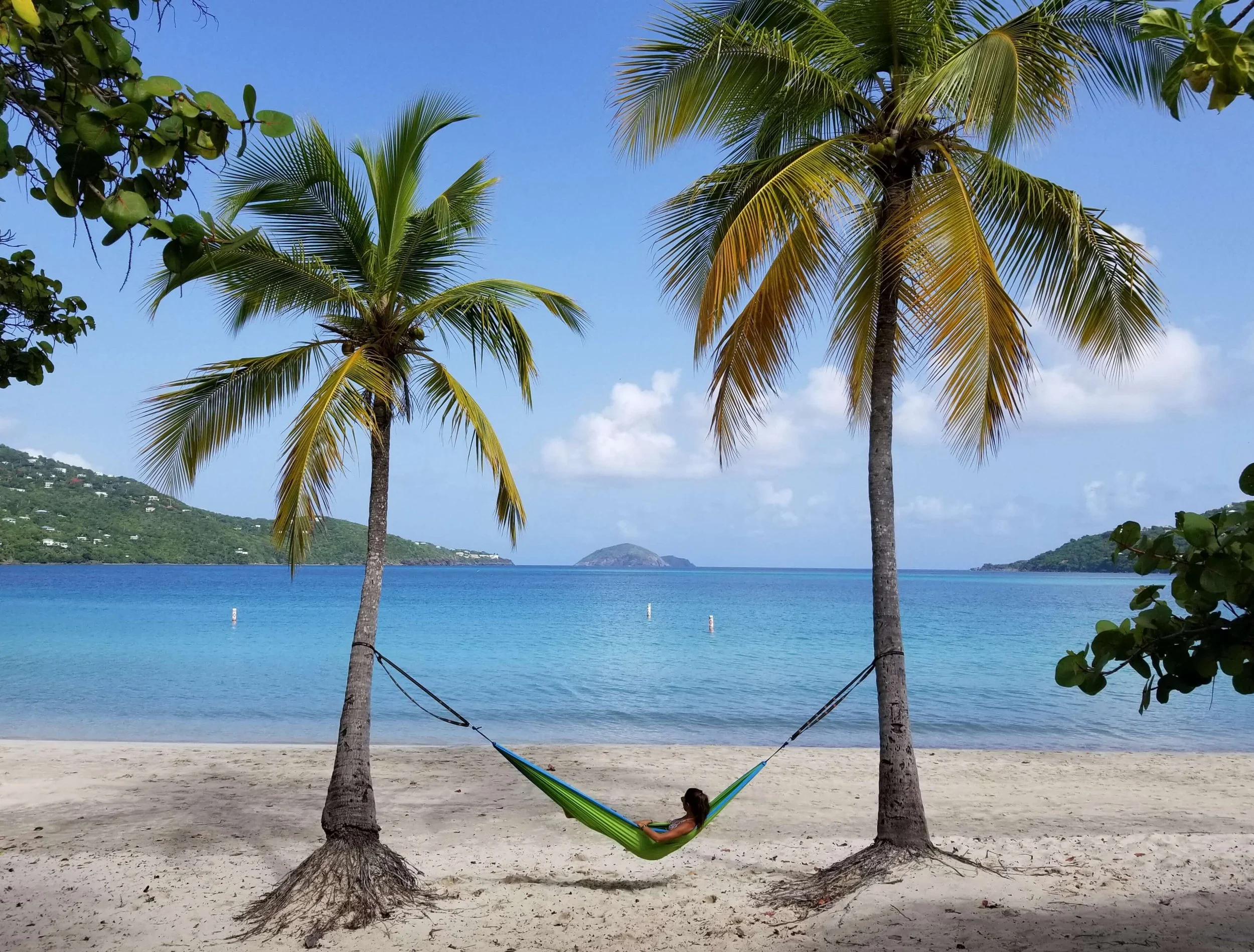
Magens Bay, St. Thomas
8. Magens Bay Discovery Nature Trail and Arboretum
Thousands of people visit Magens Bay every week, but very few explore what's behind the beach. The Discovery Nature Trail runs about 1.5 miles through the protected Magens Bay Watershed Preserve, passing through dry forest, moist forest, and mangroves. A wooden overlook along the way offers one of the best views of the bay, and the preserve is an important habitat for birds.
At the bottom, the five-acre Magens Bay Arboretum is a shady grove of native and exotic tropical trees, many planted nearly a century ago by Arthur Fairchild, who later gave Magens Bay to the people of the Virgin Islands.
Tips: Start at the upper trailhead on Magens Bay Road and hike downhill to the beach, then cool off with a swim. Bring bug spray and water. For fees and hours, see our Magens Bay Beach Guide.
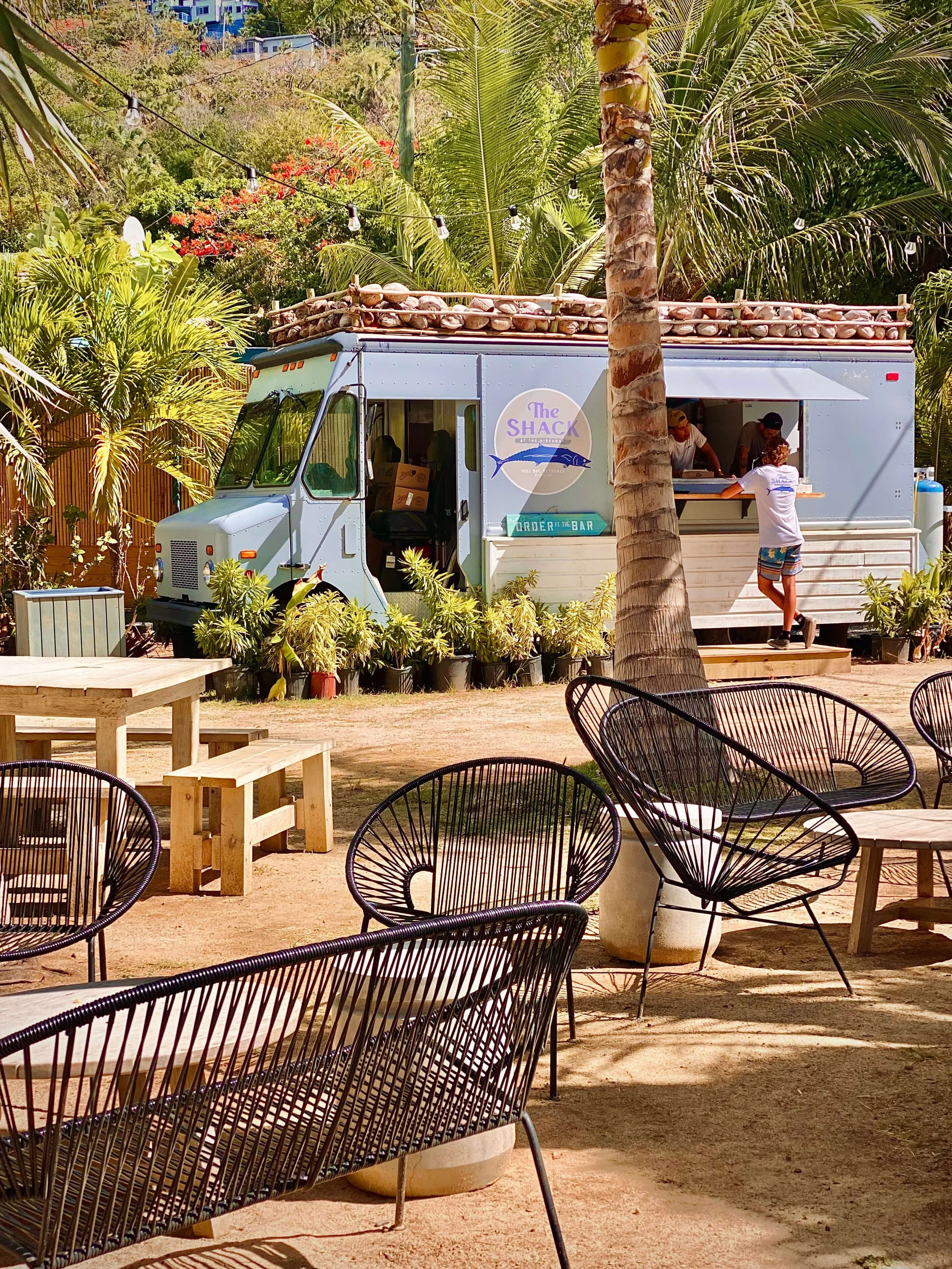
The Shack, Hull Bay, St. Thomas
9. Hull Bay: Local Life on the Northside
Just west of Magens Bay, Hull Bay is where you'll see everyday island life on the Northside. Local fishermen pull their boats onto the sand, surfers paddle out when the winter swells arrive, and families gather for relaxed weekend afternoons. It isn't a resort beach, and that's exactly the appeal.
Tips: Come in winter to watch the surfers, or in summer for calm swimming and snorkeling along the rocky point on the west side of the bay. Pair it with Neltjeberg Bay for a full Northside day.
10. Brewers Bay: Turtles and Food Trucks
On the West End, next to the University of the Virgin Islands, Brewers Bay is a local family favorite and one of the best places on the island to see sea turtles from shore. Green sea turtles graze on the seagrass just a short swim from the beach, and food trucks often park nearby, making it easy to spend the whole afternoon.
Tips: Go early in the morning for the calmest water and best turtle sightings. On weekends, expect local families, music, and a lively atmosphere.
Tips for Exploring Off the Beaten Path
Rent the right vehicle. Many hidden beaches are at the end of steep, rough dirt roads. A Jeep or all-wheel-drive vehicle makes them much easier to reach.
Pack for no facilities. Remote beaches have no restrooms, food, or shade. Bring water, snacks, sun protection, and a trash bag.
Tell someone where you're going. Let someone know your plans before you hike or visit a remote beach, and don't count on cell service.
Check the conditions. Northside beaches can get rough in winter, and some hikes are best at low tide. Plan around the weather and the sea.
Respect private property and historic sites. Stay on trails, don't climb on fragile ruins, and follow posted rules at private gates.
Leave no trace. Take everything you bring back with you, use reef-safe sunscreen, and never remove shells, coral, or artifacts.
Keep valuables out of sight. Don't leave anything visible in your car at remote trailheads and beaches.
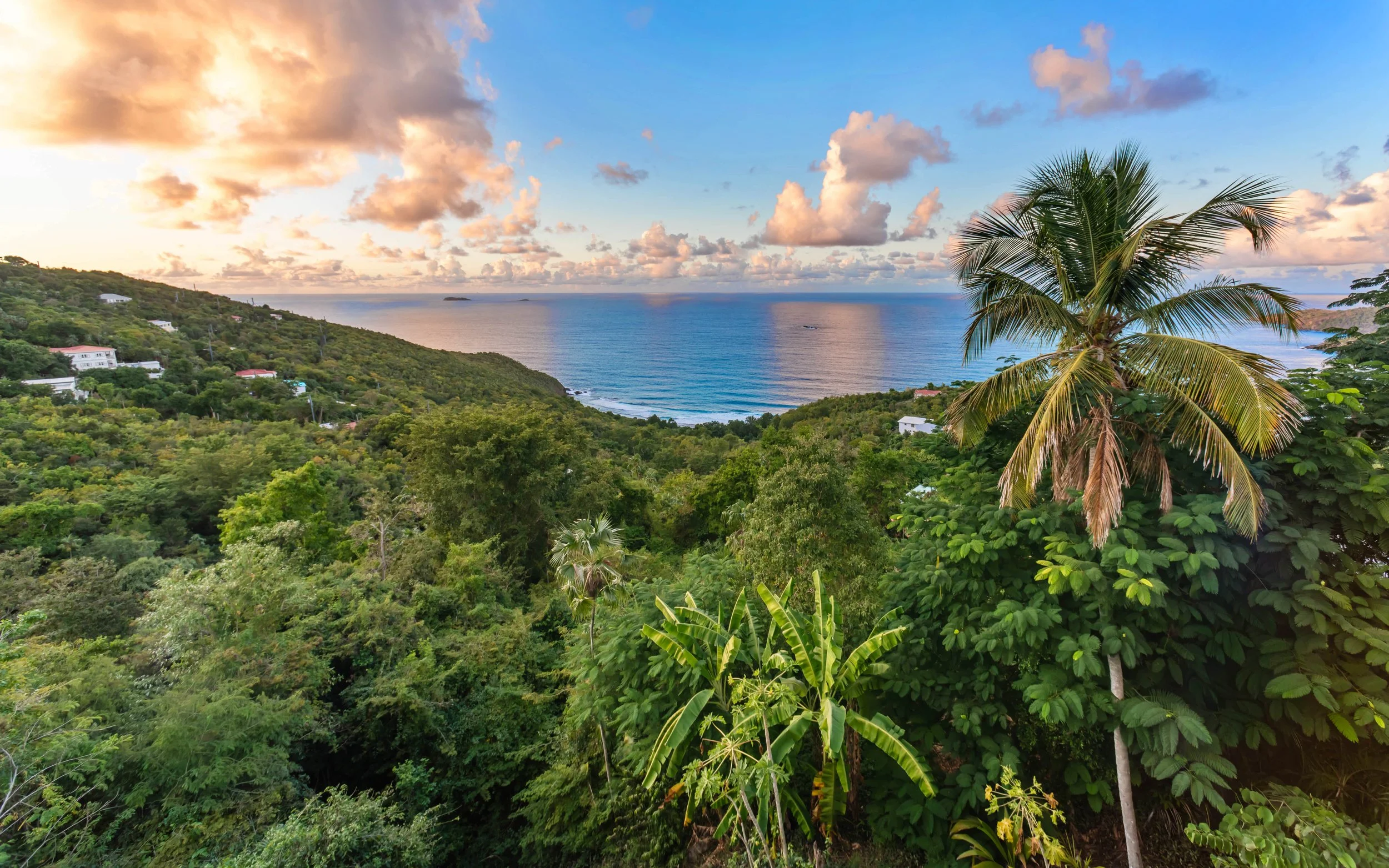
West End, St. Thomas
Frequently Asked Questions About Hidden Gems in St. Thomas
What are the best hidden gems in St. Thomas?
Some of the best hidden gems in St. Thomas are Mermaid's Chair, Neltjeberg Bay, Hassel Island, Water Island's Honeymoon Beach, the Mangrove Lagoon and Cas Cay, and the Bordeaux Farmers' Market.
What is the most secluded beach in St. Thomas?
Neltjeberg Bay on the Northside and Mermaid's Chair on the West End are two of the most secluded beaches on St. Thomas. Both take some effort to reach, which keeps crowds away.
How do you get to Mermaid's Chair in St. Thomas?
Mermaid's Chair is reached by a hike of about 1.3 miles each way that starts at The Preserve at Botany Bay on the West End. It's best visited at low tide, and sturdy shoes are recommended.
Can you visit Hassel Island?
Yes. Hassel Island is part of the Virgin Islands National Park and can be reached by a short kayak paddle from Frenchtown, either on your own or with a guided tour. There are no facilities on the island, so bring everything you need.
How do you get to Water Island from St. Thomas?
Take the ferry from Crown Bay Marina. Once on Water Island, you can walk or rent a golf cart to reach Honeymoon Beach and other sights.
When is the Bordeaux Farmers' Market open?
The Bordeaux Farmers' Market is held on the second and last Sundays of each month, from about 10 a.m. to 5 p.m., on the West End of St. Thomas.
Do I need a 4x4 to explore St. Thomas?
You don't need one for most of the island, but a Jeep or all-wheel-drive vehicle makes it much easier to reach remote beaches like Neltjeberg Bay, where the access roads are rough and unpaved.
Your Home Base for Island Adventures
Finding the island's hidden gems is easier when you have a local host to point you in the right direction. Book direct for the best rates and insider tips on the secret spots most visitors never find.